
Nano Banana 2 (Gemini 3.1 Flash Image) Review: Faster Workflows, Sharper Text, and Google’s Next Flash Image Bet?
Nano Banana already proved that fast native image generation can be genuinely useful—not just visually impressive. In Google’s current lineup, Nano Banana is positioned as the fast, creative workflow option, while Nano Banana Pro is framed as the higher-end design engine for more advanced image generation and editing.
At DeeVid AI, that is exactly why Nano Banana 2 stands out. The model being discussed online as Nano Banana 2 appears to be tied to Gemini 3.1 Flash Image or Gemini Flash 3.1 Image Preview. Google has not yet published a public model page under that exact name, but repeated signals across Reddit, X, and TestingCatalog point to a stronger Flash-tier image model that may be designed to close part of the gap between Nano Banana and Nano Banana Pro.
What Is Nano Banana 2? A One-Sentence Overview
Nano Banana 2 looks like Google’s next Flash image upgrade—aimed at bringing better text rendering, stronger composition, and more reliable prompt execution to a faster, more scalable image workflow. That is DeeVid AI’s early read based on Google’s current model lineup and the public signals now surfacing around Gemini 3.1 Flash Image.
What’s New in Nano Banana 2 (Compared to Nano Banana)
Google officially defines Nano Banana as Gemini 2.5 Flash Image, optimized for speed and efficiency in high-volume, low-latency tasks, while Nano Banana Pro maps to Gemini 3 Pro Image Preview, designed for professional asset production with advanced reasoning and high-fidelity text rendering.
That existing split is what makes Nano Banana 2 so interesting. At DeeVid AI, we see it less as a brand-new category and more as a likely Flash-tier refinement: a model that keeps the production-friendly speed of Nano Banana, but moves closer to Pro-level usefulness in typography, structure, and design-oriented outputs. Public posts describing gemini-3.1-flash-image in the Vertex AI catalog and preview references to Gemini Flash 3.1 Image Preview support that positioning, even though Google has not yet formally documented the model.
Nano Banana → Nano Banana 2: Creator-Facing Upgrade
| Capability | Nano Banana | Nano Banana 2 (early DeeVid AI read) |
|---|---|---|
| Core positioning | Fast native image generation and editing | Stronger Flash-tier image workflow |
| Best impression | Fast ideation, quick iterations | Better text, cleaner layouts, more practical outputs |
| Workflow value | Speed-first | Better quality-to-speed balance |
| Structured scenes | Good for lightweight creative work | Looks more promising for posters, UI-like scenes, and campaign visuals |
| Production role | Quick generation engine | Potentially the more scalable “default workhorse” |
The key difference is not that Nano Banana 2 needs to beat Nano Banana Pro. It only needs to become good enough that many creators use it first. From DeeVid AI’s perspective, that would make it one of the most important image model upgrades in practical production workflows. This table reflects DeeVid AI’s preview assessment, grounded in Google’s official Nano Banana/Nano Banana Pro positioning plus the early public signals around Gemini 3.1 Flash Image.
The Big 5 Upgrades of Nano Banana 2
1) Text Rendering Looks Much More Important This Time

One of the clearest reasons Nano Banana 2 matters is typography. Google already positions Nano Banana Pro around precise text rendering and complex layouts, which tells us exactly where the gap has mattered in the past. At DeeVid AI, Nano Banana 2 looks compelling because it appears to push some of that practicality down into the Flash tier. That would make it much more useful for poster drafts, ad banners, promo graphics, and structured creative outputs.
2) Better Structure, Not Just Better Texture
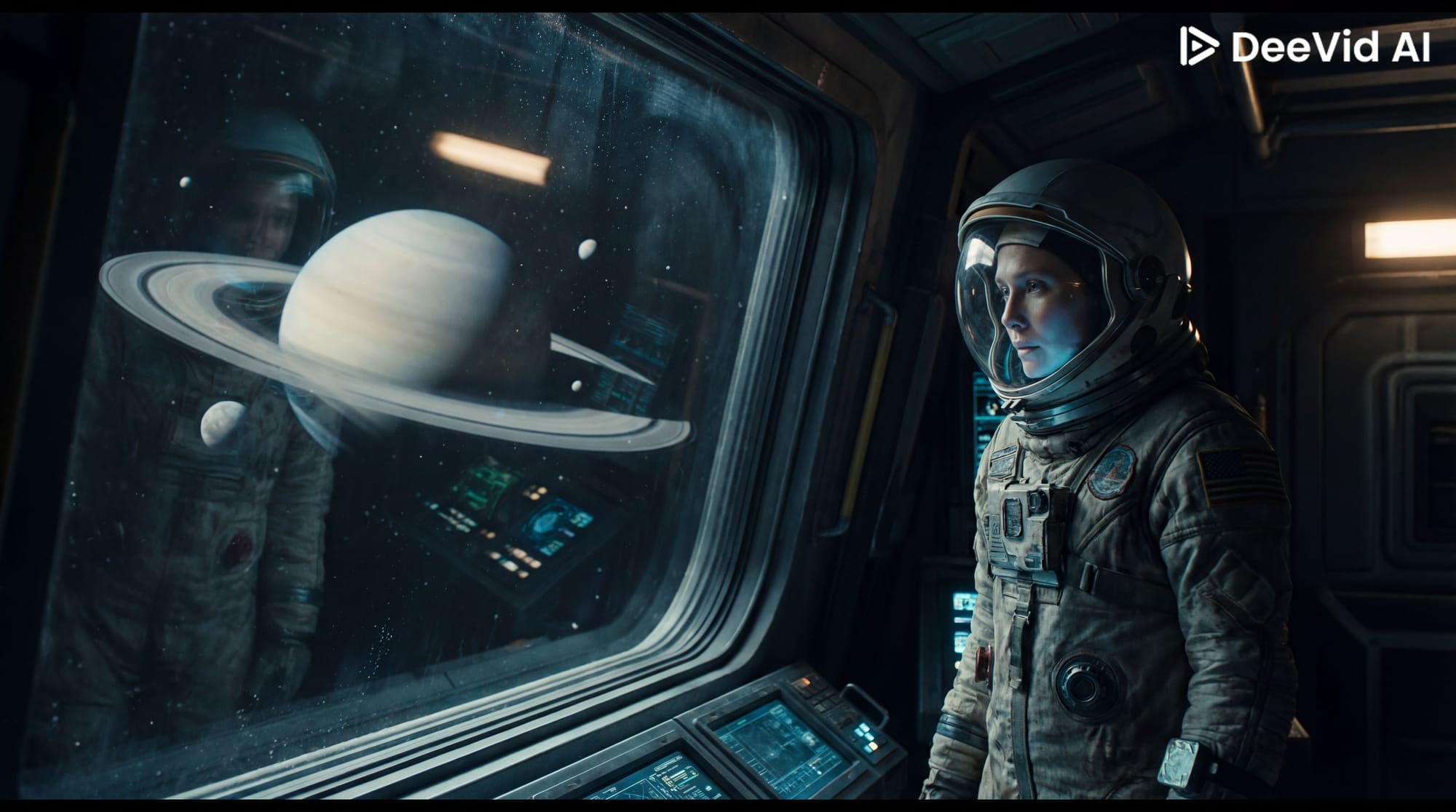
A stronger image model is not only about realism. In real creative workflows, structure matters just as much: hierarchy, spacing, composition, and relationships between elements. What we found around Nano Banana 2 suggests that the model is attracting attention because it may be better at organized scenes, not just prettier ones. That is exactly the kind of upgrade that matters in brand, ecommerce, and design-heavy production.
3) Closer to Pro Without Leaving the Flash Mindset

Google’s official documentation makes the current contrast very clear: Nano Banana is built for speed and efficiency, while Nano Banana Pro is built for professional asset production and high-fidelity text. Nano Banana 2 looks promising because it may connect those two worlds more effectively. At DeeVid AI, that is the most important story here: not whether Nano Banana 2 becomes Google’s strongest image model, but whether it becomes the one creators use most often.
4) A Better Fit for Marketing and Campaign Production
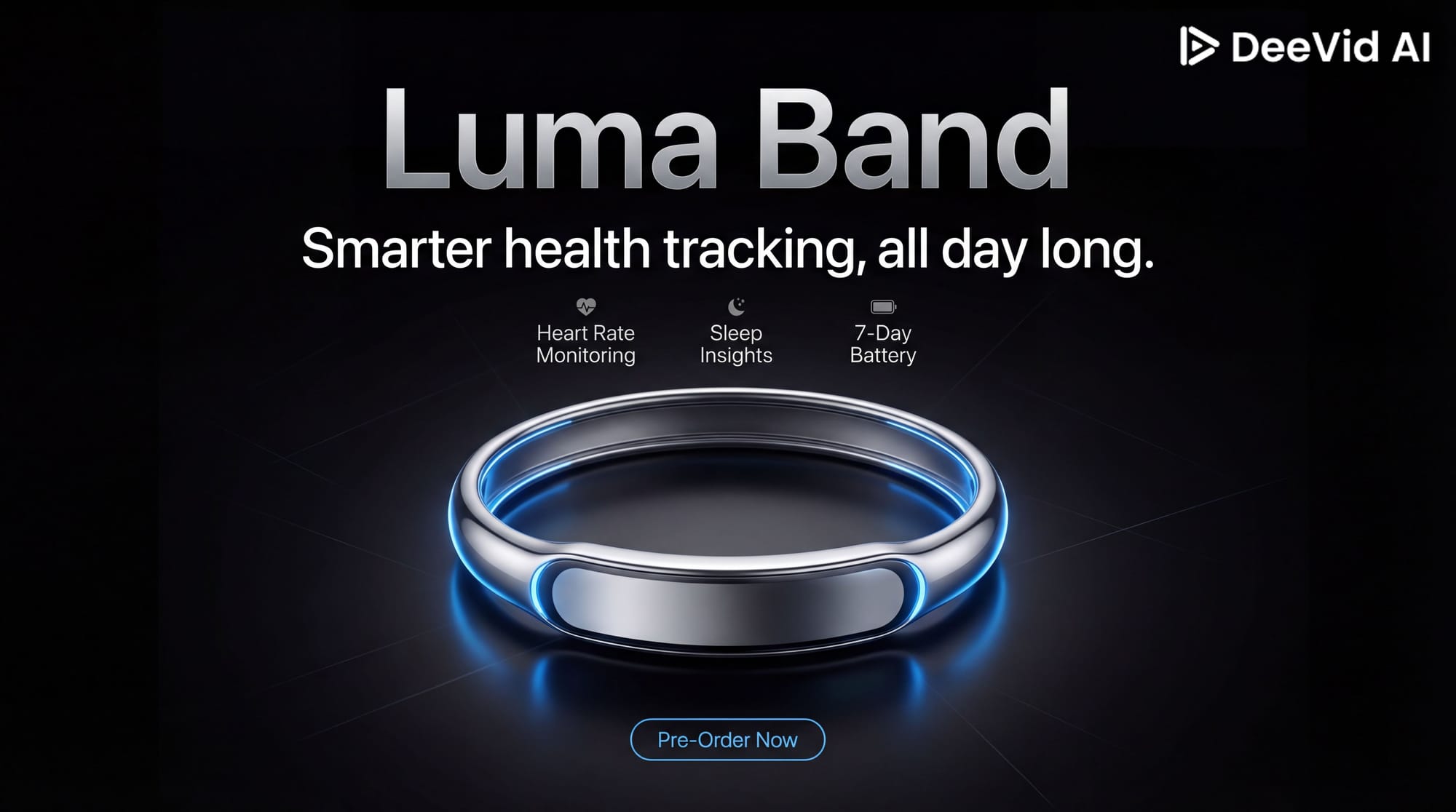
Nano Banana already fits fast creative workflows. Google’s image-generation docs show Gemini 2.5 Flash Image supports standard fixed output sizes such as 1024×1024 at 1:1, while Gemini 3 Pro Image Preview supports 1K, 2K, and 4K options. That means Google already has a clear fast-vs-premium split. From DeeVid AI’s perspective, Nano Banana 2 becomes highly relevant if it improves output quality while staying much closer to the Flash side of that equation.
5) More Useful as a Production Tool, Not Just a Demo Model
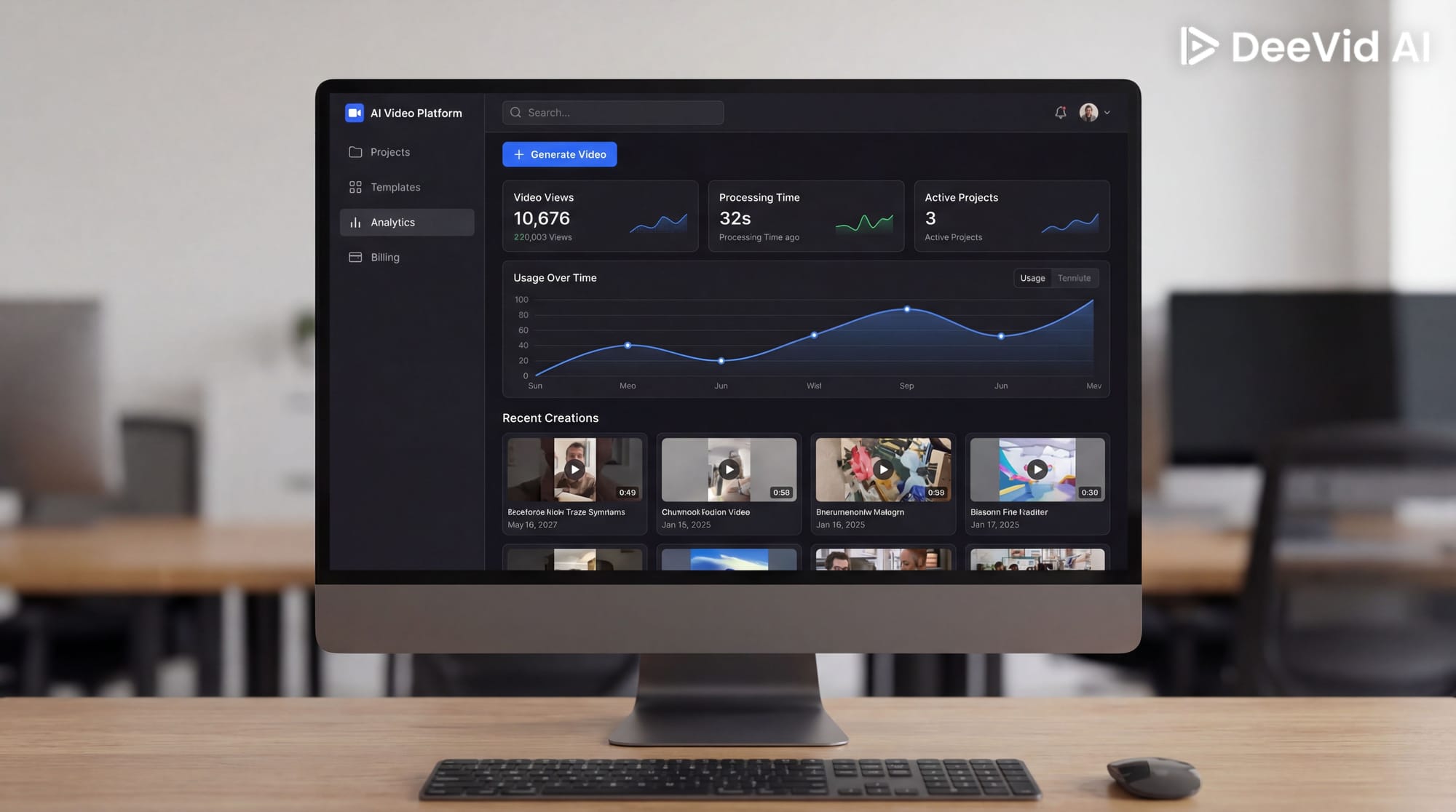
Nano Banana 2 matters because it looks like a workflow upgrade. Public signals around the model repeatedly frame it as a Flash Image release rather than a Pro replacement, which strongly suggests a focus on scale, cost-efficiency, and frequent use. For creators producing repeated ad sets, social campaigns, product visuals, or localized assets, that may matter more than chasing the single highest-end output.
Best-Fit Use Cases: Where Nano Banana 2 Wins
If you are choosing Nano Banana 2 for work—not just experimentation—these look like the sweet spots:
- Marketing and ad creatives
Better text handling and stronger layouts would make it more useful for campaign assets, banners, and product promotions. - Poster-style visuals and key art
If Nano Banana 2 really improves structure and hierarchy, it becomes much more relevant for design-heavy stills. This is a use-case inference grounded in Google’s distinction between fast Flash image generation and Pro-grade layout/text tasks. - UI-like and screenshot-style scenes
At DeeVid AI, this is one of the most interesting potential strengths. Structured, interface-like outputs are hard for image models, so any improvement here immediately translates into more practical product and tech-marketing visuals. This remains a preview judgment rather than an official capability claim. - High-volume creative pipelines
Google already positions Nano Banana for high-volume, low-latency work. Nano Banana 2 appears poised to make that same category more useful, not just faster.
Nano Banana 2 vs Nano Banana Pro
These two models would likely overlap—but they are optimized for different creative instincts.
Quick Comparison (Practical Workflow)
| Category | Nano Banana 2 | Nano Banana Pro |
|---|---|---|
| Best at | Practical quality + scale | Highest-end design-oriented image work |
| Speed profile | Likely Flash-style, production-friendly | Higher-end, more deliberate |
| Text and layout | Promising upgrade area | Officially a core strength |
| Best use | Campaign visuals, fast creative output, scalable asset generation | Complex layouts, professional assets, 4K-heavy design workflows |
| Ideal user | Teams balancing quality, speed, and volume | Teams prioritizing maximum control and premium output |
Which should you choose?
- Pick Nano Banana 2 when you want a faster, more scalable image workflow that still feels much more usable in real design and marketing production. This is DeeVid AI’s forward-looking assessment based on the model’s apparent Flash-tier positioning.
- Pick Nano Banana Pro when you need the premium option for studio-quality 4K visuals, complex layouts, and precise text rendering—exactly how Google describes the model today.
Prompting Tips That Match Nano Banana 2’s Likely Strengths
Google’s own image-generation guidance remains the best starting point here: describe the scene, do not just list keywords. The docs explicitly say narrative, descriptive prompts usually produce more coherent images than disconnected keyword lists. That advice should matter even more for a model like Nano Banana 2 if its real advantage is stronger semantic understanding and structure.
A good prompt pattern for this kind of model is:
Subject → Scene → Style → Lighting → Composition → Text rules → Output intent
That structure aligns especially well with poster-style, product-style, and layout-sensitive image generation, especially when paired with image search for reference discovery. This prompt advice is adapted from Google’s general image-generation guidance and DeeVid AI’s practical workflow framing.
Where to Try Nano Banana 2
As of now, the official public Gemini docs document Nano Banana and Nano Banana Pro, but not a formal Gemini 3.1 Flash Image public entry. So the most accurate framing today is: watch this model closely. If Google publishes it publicly, the first places likely to reflect that are the Gemini API models page and image-generation documentation. And you can expect to try Nano Banana 2 for free on DeeVid AI Image Generator then.
The DeeVid Takeaway: The Best Way to Use Nano Banana 2 in a Video Workflow
At DeeVid AI, the best way to think about Nano Banana 2 is not as a mystery model, but as a likely key-visual engine. If it really improves typography, structure, and prompt reliability at Flash speed, it becomes highly useful for generating posters, product shots, campaign frames, app-like scenes, and visual concepts that can later be animated into short-form video workflows.
That is why Nano Banana 2 matters for DeeVid users. Better still images do not just improve image generation—they improve what comes next. Stronger source frames can become stronger inputs for image-to-video creation, social video variations, and campaign storytelling workflows inside DeeVid. This is a workflow inference, but it is directly aligned with how DeeVid positions image-to-video and how Google positions its Flash-vs-Pro image stack.
FAQ
Is Nano Banana 2 officially released?
Not as a fully documented public Gemini API model page. Google’s public docs currently list Nano Banana and Nano Banana Pro, but not a formal public page for Gemini 3.1 Flash Image.
Is Nano Banana 2 the same as Gemini 3.1 Flash Image?
That is the strongest public interpretation right now. We found repeated references to Gemini 3.1 Flash Image or Gemini Flash 3.1 Image Preview across Reddit, X, and TestingCatalog coverage. Google has not yet formally documented the mapping on a public model page.
What is the biggest upgrade in Nano Banana 2?
At DeeVid AI, the most important potential upgrade is not just image quality—it is practical usability: sharper text, stronger structure, better prompt execution, and a more production-friendly quality-to-speed balance. This is a preview assessment grounded in Google’s current model split and the public signals around the new Flash image model.
Nano Banana 2 vs Nano Banana Pro—which one looks better?
Nano Banana Pro remains the safer choice for premium design-heavy workflows because Google explicitly positions it for studio-quality 4K visuals, complex layouts, and precise text rendering. Nano Banana 2 looks more compelling as the potentially more practical daily-use model.
Why should DeeVid users care about Nano Banana 2?
Because if Google delivers a stronger Flash image model, creators get better source visuals for ads, posters, product frames, and concept stills—exactly the kind of assets that can feed naturally into DeeVid’s image-to-video workflows. This is DeeVid AI’s workflow perspective based on the official model positioning and the likely role of Nano Banana 2.